AFM Convention: Democracy for the Future
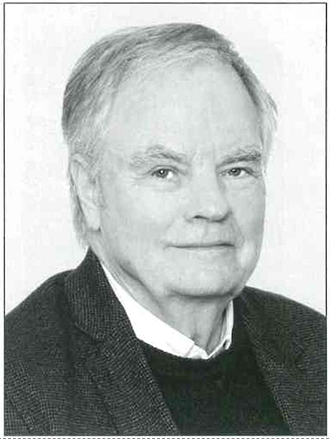
by Brad C. Eggen
President Twin Cities Musicians Union, Local 30-73
Finance Committee Chair, The 103rd AFM Convention
When over 70 people appeared to testify on one Bylaw recommendation before the Joint Law and Finance Committee, I realized we were in for an unusually exhausting Convention process. The core of the debate was the future course of the AFM in the midst of contentious technology issues and pervasive stresses in the music industry.
That first committee session sought delegate views from all over the Federation regarding the International Executive Board’s organizing recommendations to set financial and operational criteria for local involvement in the process. The IEB recommendations saw as a primary purpose “the task of recruiting and organizing,” both on the AFM level and through “Local cooperation and participation.” The AFM goal is to deploy a unified Federation-wide master organizing plan, in coordination with the Organizing Services Department and administered regionally with local union participation. The IEB designed this approach to emphasize industry sectors with the least union density currently -local freelance/gigging/indie, electronic media, and theatrical and non-theatrical touring. As vested partners in this process, the locals were designated specific responsibilities including updated websites, access to popular social media platforms, and a thorough membership database.
The Joint Law and Finance Committee began by requesting lengthy explanations from various AFM specialty departments concerning their current status and limitations. We recognized that the AFM was committed to reach out to those segments of our membership music industry which have been less exposed to day-to-day bargaining and guidance by Local administrations or the AFM. Before these proposals were reported to the Convention floor, the Joint Law and Finance Committee reviewed these concepts thoroughly. The Joint Law and Finance Committee then revamped, redesigned, edited and augmented the IEB proposals, including a significant compromise of the financial obligations of AFM members and their Local chapters. The Convention floor then took the better part of a day to scrutinize the appropriate course to be followed, resulting in a gradual per capita dues increase over the course of three years and a detailed agenda calling for extensive teamwork between the Locals and the skilled Federation specialists in each area.
It is the expectation of this writer that the freelance and theater industry in our community will be better served through this Federation initiative, with greater levels of organization, new local members, stronger electronic communications and use of information, and consequently more work with carefully crafted benefits and representation.
A major stepping stone in this process is the establishment of an AFM Task Force on Data Management Modernization to include representatives from the national office, Local leadership, and individuals with expertise in information technology, cybersecurity, data management and systems implementation. The “Technology and Software Review Task Force” must be established before the end of this calendar year and is obligated to report its progress in International Musician witl1 the IEB required to implement the appropriate next steps in consultation with the Locals and future Conventions. Another example of the Convention’s product is the establishment of a Public Awareness of Theater Musicians program to be designed by the IEB.
Multiple other concepts were explored at the Convention through 5 Recommendations and 42 Resolutions considered by the delegates. Many new officers were elected to the IEB. Be assured that the next three years will involve an aggressive outreach to the less served members of our music population.
You are the Union!
reprinted with permission from DUET, July-August-September 2026, VOLUME 44, NUMBER 3